


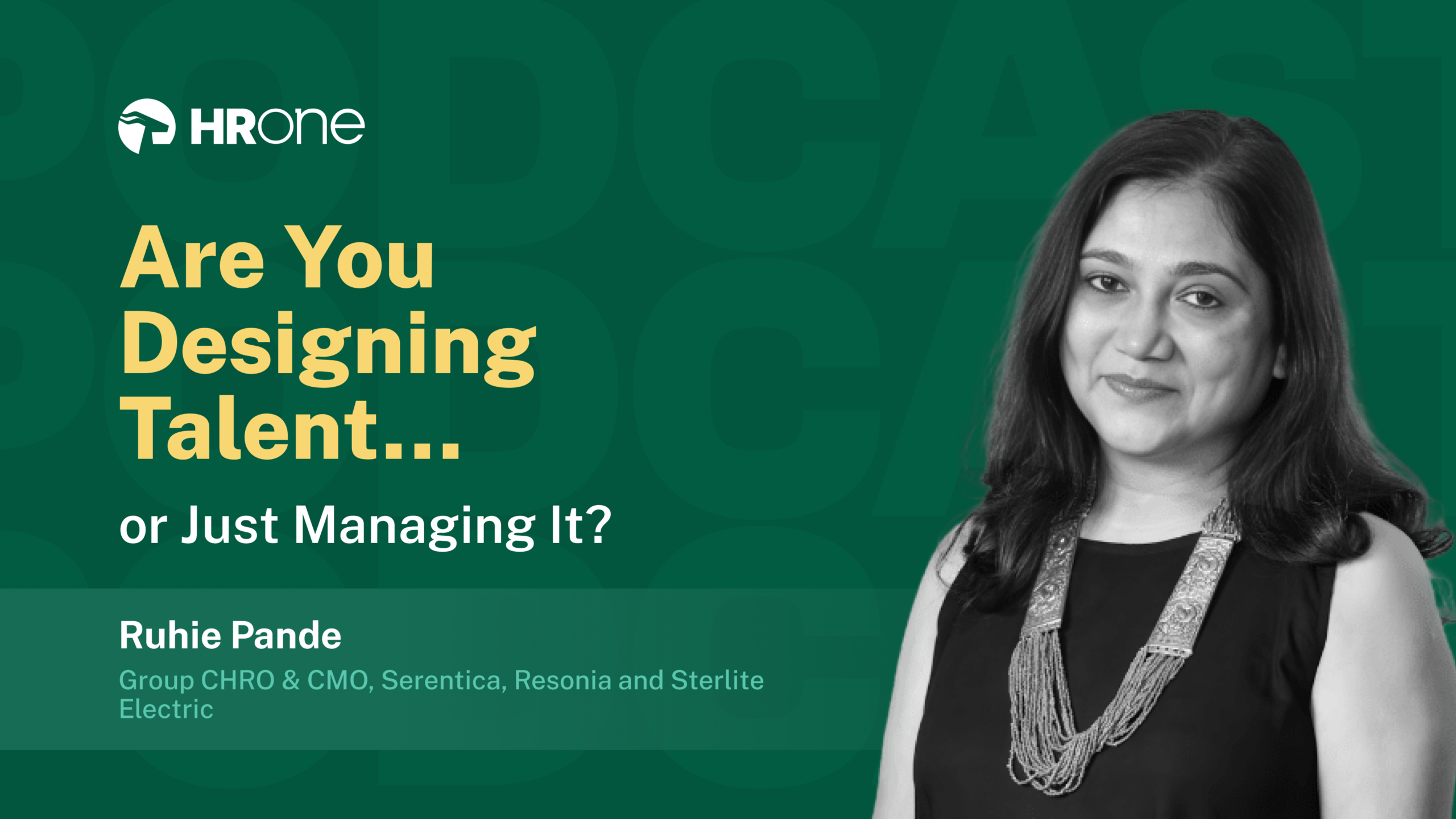
There was a time when employer branding lived quietly inside HR decks, and marketing focused outward on customers.
That time is over.
Today, your Employer Branding Strategy is not just a hiring tool, it’s a business lever. And if your Talent Strategy Alignment isn’t in sync with your brand promise, the cracks show fast: disengaged employees, confused candidates, and a reputation that doesn’t quite land.
The real unlock?
CHRO–CMO collaboration.
Because trust isn’t built in silos. And performance doesn’t scale on misalignment.
Here are 7 ways forward-thinking organizations are bringing HR and Marketing together to build brands that employees believe—and businesses benefit from.
1. Start with One Truth, Not Two Narratives
Most companies unknowingly run two parallel stories:
- The brand story (crafted by marketing)
- The employee experience (owned by HR)
And when these don’t match? Candidates feel it. Employees live it.
This is the action you should take:
Co-create a single source of truth:
- What do we promise as a brand?
- What do employees actually experience?
Then close the gaps. Don’t just polish the messaging.
2. Align Talent Strategy with Brand Promise
Your brand says “innovative.”
But your hiring process takes 6 weeks and 5 approvals.
That’s not miscommunication. That’s misalignment.
A strong Talent Strategy Alignment ensures:
- You hire for what you claim to be
- You build capabilities that reinforce your brand
Here’s your action plan:
Audit your talent lifecycle:
- Hiring
- Onboarding
- Performance management
Ask one simple question:
Does this reflect our brand or contradict it?
3. Make Employer Branding a Business KPI
If employer branding is still treated like a “nice-to-have campaign,” it won’t move the needle.
It needs to tie directly to:
- Retention
- Engagement
- Quality of hire
- Revenue per employee
That’s when it gets taken seriously.
Action:
Define shared KPIs for HR and Marketing:
- Offer acceptance rate
- Time to productivity
- Employee advocacy (social sharing, referrals)
When both teams are measured on the same outcomes, alignment stops being optional.
4. Build a Feedback Loop Between Employees and Brand
Marketing teams obsess over customer feedback.
HR teams collect employee feedback.
But rarely do these insights meet.
That’s a missed opportunity.
Because your employees are your first audience and your most credible storytellers.
So, what action can you take?
Create a continuous loop:
- Employee feedback → informs brand messaging
- Brand messaging → tested internally before going external
If your employees don’t believe it, your audience won’t either.
5. Turn Employees into Brand Amplifiers
People trust people more than logos.
The most powerful employer brands today aren’t built through ads; they’re built through employees sharing authentic experiences.
But this doesn’t happen by accident.
This is the action plan for you:
Enable employee advocacy:
- Provide content frameworks (not scripts)
- Highlight real stories across teams
- Recognize and reward participation
When employees speak, your brand scales…credibly.
6. Co-Design the Employee Experience
You can’t market a great culture into existence.
It has to be designed intentionally.
This is where CHRO CMO Collaboration becomes critical:
- HR designs the experience
- Marketing shapes how it’s communicated
Together, they ensure it’s both real and resonant.
Action:
Run joint workshops:
- Define key employee moments (Day 1, promotions, exits)
- Design them to reflect your brand values
- Communicate them consistently
Experience first. Messaging second.
7. Lead Alignment from the Top
If CHROs and CMOs aren’t aligned, their teams won’t be.
And alignment doesn’t mean occasional check-ins. It means shared ownership.
Because at its core, this isn’t an HR problem or a marketing problem.
It’s a business problem.
Action:
Institutionalize collaboration:
- Quarterly strategy syncs
- Joint planning cycles
- Shared dashboards
When leadership aligns, execution follows.
So, What’s the Bigger Shift?
The real shift isn’t just better collaboration.
It’s this:
Moving from what we say to what we consistently do
Because today’s workforce doesn’t just consume your brand.
They experience it. Question it. Talk about it.
And in that environment, alignment isn’t a competitive advantage.
It’s survival.
Final Thought
It’s not HR alone. It’s not Marketing alone.
The strongest brands are built when talent strategy and brand strategy move as one system.
Because when your people believe your story; they don’t just work for the brand
They become it.











 Secures Top Spot in
