


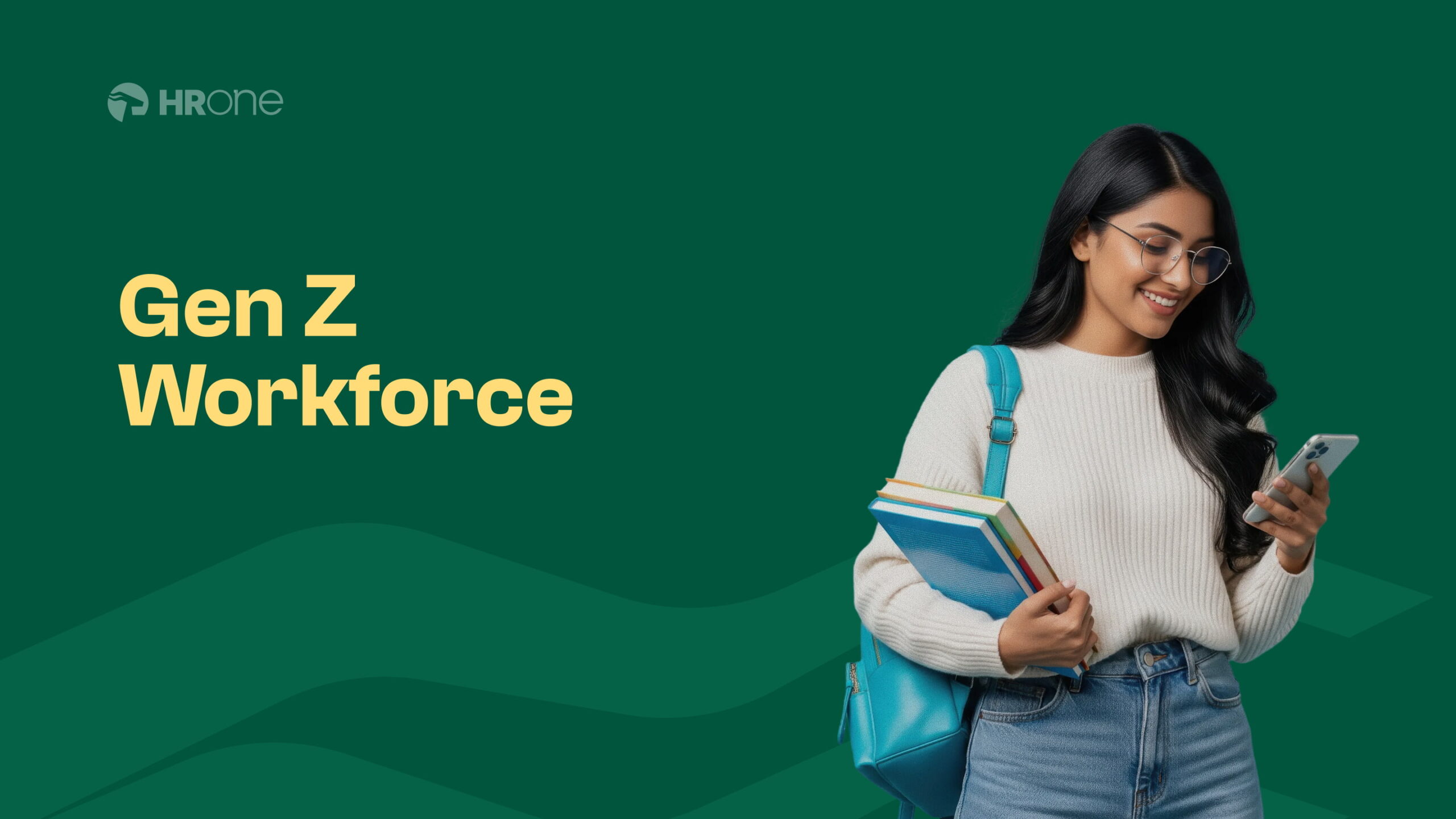
The challenges of managing Gen Z employees became real for me during a recent conversation with an HR head at a Bangalore-based tech firm. She shared that three high-potential Gen Z hires quit within six months. Not for better pay. Not for bigger titles. They left because weekly one-on-ones felt more like interrogations than conversations.
By 2026, Gen Z will make up nearly 27% of India’s workforce, around 64 million professionals, reshaping the future of work. This generation has grown up with Instagram feedback loops, YouTube tutorials, and Zomato-level service expectations. Naturally, they bring those same expectations into the workplace: seeking faster feedback, clearer communication, and meaningful engagement.
For HR leaders, engaging the Gen Z workforce is no longer about surface-level perks like ping-pong tables or free snacks. It’s about rethinking core people practices: how feedback is given, how growth is enabled, how purpose is communicated, and how trust is built. Your Gen Z retention strategies will ultimately decide whether you build a thriving, committed team or struggle with constant attrition.
The HR playbook that worked for millennials doesn’t quite work anymore.
To succeed with Gen Z in the workplace, HR needs a new approach; one grounded in empathy, clarity, and intentional communication.
Here’s what you need to rethink.
Understanding Gen Z: The Traits Redefining Work in 2026
Gen Z employees bring a distinctly different set of expectations to the workplace. Born between 1997 and 2012, they’ve never experienced a world without smartphones. For them, digital isn’t a skill they acquired; it’s the environment they grew up in. This shapes how they communicate, learn, and expect work to function.
Purpose at work matters deeply to Gen Z. A 2024 Deloitte survey found that 49% of Gen Z workers would reject a job offer from a company with poor environmental practices. For this generation, work isn’t just about hitting quarterly targets; it’s about alignment with values, impact, and meaning.
Mental health at work is non-negotiable. Gen Z employees speak openly about anxiety, burnout, and boundaries, and they expect employers to do the same. They value psychological safety, flexibility, and leaders who normalize conversations around well-being rather than treating them as exceptions.
Diversity and inclusion aren’t policy checkboxes for Gen Z. They’ve grown up in more diverse classrooms and social circles than any previous generation. As a result, they’re quick to notice when leadership teams, decision-makers, or workplace cultures don’t reflect that reality.
For HR leaders, understanding these Gen Z expectations in the workplace isn’t optional anymore. It’s foundational to building trust, engagement, and long-term retention.
What sets Gen Z apart from Millennials at workplace
Understanding the differences helps you tailor your approach.
| Factor | Millennials | Gen Z |
|---|---|---|
| Communication | Email and meetings | Instant chat and quick voice notes |
| Feedback | Quarterly reviews | Real-time, continuous input |
| Career View | Ladder climbing | Portfolio building across roles |
| Technology | Adapted to digital tools | Born into digital environment |
| Work Model | Work-life balance | Work-life integration |
| Learning Style | Structured training programmes | Self-directed microlearning |
| Loyalty Driver | Company reputation | Personal growth opportunity |
Millennials pushed hard for work–life balance. Gen Z wants work–life integration. The difference may sound subtle, but it’s critical.
Gen Z employees don’t want to compartmentalize their lives into neat blocks of “work” and “personal time.” Instead, they expect flexibility that allows work to adapt around life, not the other way around. Whether it’s stepping out for a personal commitment, working in short focused bursts, or choosing when and where they’re most productive, integration matters more than rigid boundaries.
For HR leaders, understanding this shift in Gen Z work expectations is essential. Policies designed around fixed hours and presence-based productivity often feel restrictive to Gen Z in the workplace. What they value instead is autonomy, trust, and outcomes over optics.
Work–life integration isn’t about working all the time. It’s about designing work that fits into real lives: fluid, dynamic, and human.
Top Challenges of Managing Gen Z Employees in 2026
Let’s be honest. Managing this generation frustrates many traditional HR teams; the friction is real, and it’s not going away.
Here’s what HR leaders across India report seeing with Gen Z employees:
- They expect responses in minutes, not days.
- Annual reviews feel pointless to them.
- They question processes that seem arbitrary.
- Job titles matter less than learning.
- They’ll leave good companies for better managers.
The challenge of managing Gen Z comes down to a basic mismatch. Most Indian organizations still operate on hierarchies built decades ago. Gen Z grew up questioning everything on Google, so naturally, they’ll question your policies too.
And that’s exactly what makes them valuable. Gen Z employees are curious, self-driven, and quick to adapt. They challenge outdated norms, push for better processes, and bring fresh perspectives that can help organizations innovate and stay competitive. Learning to harness their energy and insights can turn friction into opportunity and build teams that truly thrive.
How to overcome communication and feedback challenges with Gen Z
Gen Z doesn’t do email chains. They find long meetings exhausting. A 2024 LinkedIn India study showed that 73% of Gen Z employees prefer Slack or Teams messages over email for daily communication.
Real-time feedback is their default expectation. They grew up with likes, comments, and instant reactions. Waiting six months to hear “You’re doing great” feels absurd to them.
What works instead:
- Weekly 15-minute check-ins focused on growth, not status updates.
- Instant recognition through digital platforms when they do good work.
- Transparent communication about company decisions, even difficult ones.
- Skip-level conversations so they feel heard beyond their immediate manager.
Embracing these approaches doesn’t just make work easier for Gen Z; it unlocks their potential. They are curious, tech-savvy, and relentlessly solution-oriented. When organizations meet them where they are, Gen Z employees become powerful drivers of innovation, collaboration, and continuous improvement. Their energy and fresh perspectives can transform not just teams, but the entire workplace culture.
How to address workplace flexibility expectations of Gen Z
Flexibility isn’t a perk for Gen Z. It’s a baseline expectation.
They watched their parents spend three hours daily commuting. They saw that productivity during the pandemic didn’t require constant office presence. You’ll struggle to convince them otherwise with arguments about “collaboration culture.”
But here’s the nuance: Gen Z doesn’t necessarily want fully remote work. Many actually crave in-person connection. What they reject are rigid schedules that ignore their individual productivity patterns.
Consider these approaches:
- Outcome-based performance metrics rather than hours logged.
- Flexible core hours with mandatory overlap time for collaboration.
- Office days focused on teamwork, not just sitting in cubicles.
- Trust as the default, not something earned over the years.
Why it works: Gen Z’s desire for flexibility reflects their efficiency, self-awareness, and drive to do meaningful work. When organizations meet them halfway, they bring energy, creativity, and fresh perspectives that elevate the entire team.
Embracing flexibility isn’t just keeping Gen Z happy; it’s future-proofing your workforce. Organizations that adapt will not only retain top talent but also unlock higher productivity and innovation.
How HR can engage the Gen Z workforce effectively
How HR can engage Gen Z workforce members comes down to understanding what truly motivates them. Spoiler: it’s rarely just money.
Purpose, growth, belonging, and authenticity consistently rank higher than compensation in surveys. Gen Z seeks work that feels meaningful and aligns with their values.
That doesn’t mean you can underpay them. Pay transparency matters deeply to this generation. They’ll find out what others earn, and they’ll resent unexplained gaps.
Leverage technology to engage Gen Z employees
Your HR tech stack sends a message. Clunky systems tell Gen Z you’re stuck in the past.
They expect consumer-grade experiences at work. If they can order food in three taps, why should a leave application require five approval emails?
Effective tech engagement includes:
- Mobile-first HR platforms for all employee interactions.
- AI-powered chatbots for instant HR query resolution.
- Gamified learning management systems with badges and progress tracking.
- Digital recognition walls where peers can publicly appreciate each other.
- Pulse surveys that capture feedback weekly, not annually.
When organizations invest in seamless, intuitive HR tech, Gen Z feels empowered, recognized, and connected. They engage more, respond faster, and contribute to a culture of continuous learning and collaboration.
HROne’s integrated platform approach resonates well here. Everything from attendance to appraisals in one place mirrors the app environments Gen Z already uses daily.
Build a purpose-driven culture that resonates with Gen Z
Slapping a mission statement on the wall won’t cut it. Gen Z spots performative purpose instantly.
They want to see their individual contribution connect to something larger. They need leaders who walk the talk, not executives who preach sustainability while flying private jets.
Practical ways to build authentic purpose:
- Connect team goals to specific company impact metrics.
- Create opportunities for employees to participate in CSR initiatives during work hours.
- Share customer success stories that highlight employee contributions.
- Be transparent about company challenges, not just victories.
- Let employees choose the causes the company supports.
Gen Z thrives when they feel their work matters. Authentic purpose inspires engagement, fosters loyalty, and turns everyday tasks into meaningful contributions that align with both personal and organizational values.
How to Intrigue Gen Z to Stay? | Proven Gen Z Retention Strategies for HR Leaders
Gen Z retention strategies require rethinking the entire employee lifecycle. Traditional tactics focused on tenure-based rewards: stay five years, get a fancy watch.
Gen Z doesn’t think in five-year increments. They think in terms of skills acquired, experiences gained, and a portfolio built. Your retention approach needs to match.
The good news? Retaining Gen Z isn’t necessarily expensive. It requires intentionality more than budget increases.
Career development as a core Gen Z retention strategy
Career pathing is the single most effective retention lever for Gen Z. They’ll stay longer if they see growth happening.
But “growth” means something different to them. It’s not just promotions and title changes; it’s skill acquisition, interesting projects, and exposure to different business areas.
What works:
- Internal gig marketplaces where employees can take on cross-functional projects.
- Mentorship programmes pairing them with senior leaders, not just direct managers.
- Learning budgets they control, for courses they choose.
- Clear competency structures showing exactly what skills lead to advancement.
- Lateral movement opportunities without stigma attached.
Gen Z values continuous learning and meaningful experiences. When organizations enable growth on their terms, employees stay engaged, motivated, and invested in both their own development and the company’s success.
| Retention Strategy | Implementation Difficulty | Impact on Gen Z Retention | Cost Level |
|---|---|---|---|
| Internal mobility programmes | Medium | High | Low |
| Learning stipends | Low | High | Medium |
| Mentorship matching | Low | Medium | Low |
| Clear career structures | High | High | Low |
| Mental health benefits | Medium | High | Medium |
| Flexible work policies | Medium | High | Low |
| Pay transparency | High | High | Variable |
Compensation transparency and benefits that matter
Gen Z workers discuss salaries openly. They share compensation details on Reddit, Glassdoor, and WhatsApp groups. Opacity hurts you.
Transparent pay bands build trust. Explaining how compensation decisions are made reduces resentment, even when someone doesn’t get exactly what they wanted.
Benefits that resonate with this generation:
- Mental health coverage, including therapy and counselling.
- Student loan repayment assistance.
- Unlimited or flexible PTO policies.
- Sabbatical options after shorter tenures.
- Home office setup allowances.
- Wellness stipends covering gym memberships, meditation apps, or anything that supports them.
Traditional benefits like gratuity and provident fund still matter, but Gen Z expects these as standard. Differentiation comes from benefits that acknowledge their life stage and values.
Building Your 2026 Gen Z Workforce Action Plan
Knowing what Gen Z wants is one thing; implementing changes is another. Here’s a practical approach for HR teams ready to act:
Start with quick wins that signal intent:
- Audit your HR tech for mobile accessibility within 30 days.
- Launch a monthly pulse survey by the end of Q1.
- Train all people managers on real-time feedback techniques.
- Create one internal project marketplace pilot.
Medium-term initiatives for quarters two and three:
- Develop transparent compensation bands for all roles.
- Build competency structures with clear skill progressions.
- Launch a mental health support programme.
- Establish ERGs (employee resource groups) led by Gen Z employees.
Starting with visible, achievable changes builds trust and momentum. Medium-term initiatives embed sustainable practices that keep Gen Z engaged, motivated, and connected to the organization’s purpose.
Key metrics to measure Gen Z engagement success
You can’t manage what you don’t measure. Track these specific indicators:
- 90-day retention rate for new Gen Z hires.
- Internal mobility rate among employees under 28.
- Engagement survey scores segmented by generation.
- Time-to-productivity for new hires.
- Manager effectiveness ratings from Gen Z direct reports.
- Learning platform engagement and course completion rates.
- Referral rates from Gen Z employees.
Monitoring these metrics gives HR teams actionable insights to improve engagement, growth, and retention for Gen Z employees, ensuring strategies are effective and continuously optimized.
Review these monthly. Share trends with leadership. Course-correct quickly when numbers dip.
Closing Lines
Engaging and retaining Gen Z isn’t about chasing trends; it’s about understanding what truly motivates them and aligning your organization accordingly. From communication and flexibility to purpose, growth, tech, benefits, and measurement, every touchpoint matters.
Organizations that listen, adapt, and act thoughtfully will not only retain top talent but also unlock the curiosity, energy, and innovation Gen Z brings. The future of work depends on meeting them where they are, and building workplaces they’re excited to grow in.











 Secures Top Spot in
